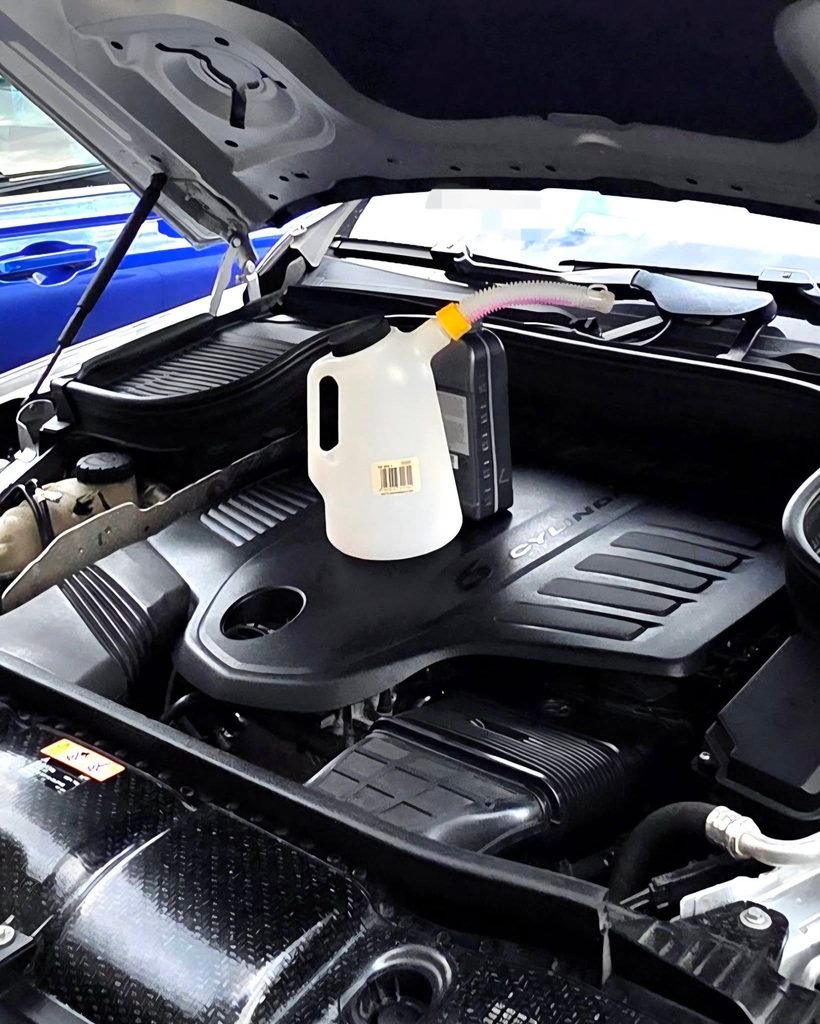
Recently, I got a dashboard warning on my car to top up the engine oil and coolant, even though my scheduled annual service was still three months away.
This vehicle has over 150,000 kilometres on it, and I have a limited budget this year for car repairs. As I do not want to end up spending a lot on replacing critical components sooner than anticipated, I take these warnings seriously. So I promptly spent roughly $50 on proactive maintenance to avoid a preventable major expense.
Spending $50 today to save thousands of dollars down the road is just common sense.
Let’s zoom out a bit. If we are careful about maintaining our personal vehicles while considering budget constraints and affordability, why don’t we manage our municipal infrastructure the same way?
Why is it acceptable to cut local maintenance budgets for political optics, only to spend way more money prematurely replacing a failed town asset because we left ourselves no other choice?
When we go grocery shopping, we carefully pick items to optimize our budget. We do not just hand the cashier a $100 bill and ask them to choose for us, assuming they will make cost-effective choices on our behalf.
If we visit a mechanic, we do not hand over $4,000 in cash and tell them to fix whatever they feel like with little opportunity for input or feedback. We expect a conversation about what needs to be done, what it costs, and what can safely wait. It is your money, and you will be ultimately impacted by any action taken or the lack of action.
So why do we expect less accountability for how our hard-earned tax dollars are spent?
Many respected and honourable elected officials, whether they are a first-term councillor or a seasoned politician, often boast about reducing budget pressures, like negotiating a proposed 13.05% tax increase down to a final 6.94%. But is that actually a win for the community? It depends.
Going back to the mechanic example: if you expect to spend $4,000, but the workshop wants you to spend $7,000, and you end up “negotiating” down to $5,500 – is this really the best outcome? You are still paying more than you budgeted, and what if the mechanic is proceeding with certain items and deferring other items without consulting you or ever explaining to you how or why? Perhaps your windows are getting tinted or your wheels are getting an upgrade when you never needed one, but your air conditioner will remain dysfunctional.
As taxpayers, we need to be more vocal and involved in the decision-making process. We need transparency on how certain projects are prioritized and which ones are deferred or rejected. What criteria are being used, and are we applying the same criteria consistently? Was the public consulted?
Are we actually sustaining our current service levels and quality of life despite the tax increase? What if your tax dollars are being used to fund projects you care less about?
Your vote and your voice are more powerful than you think. It is time to redefine political leadership rooted in community service and true stewardship.
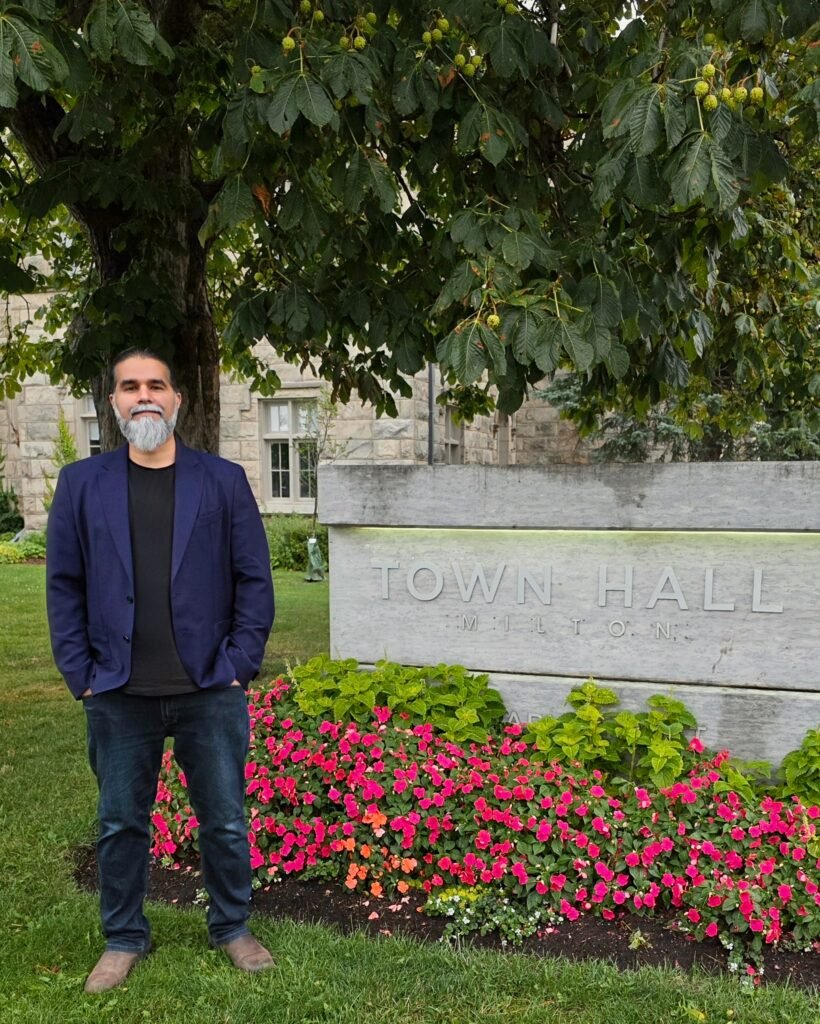
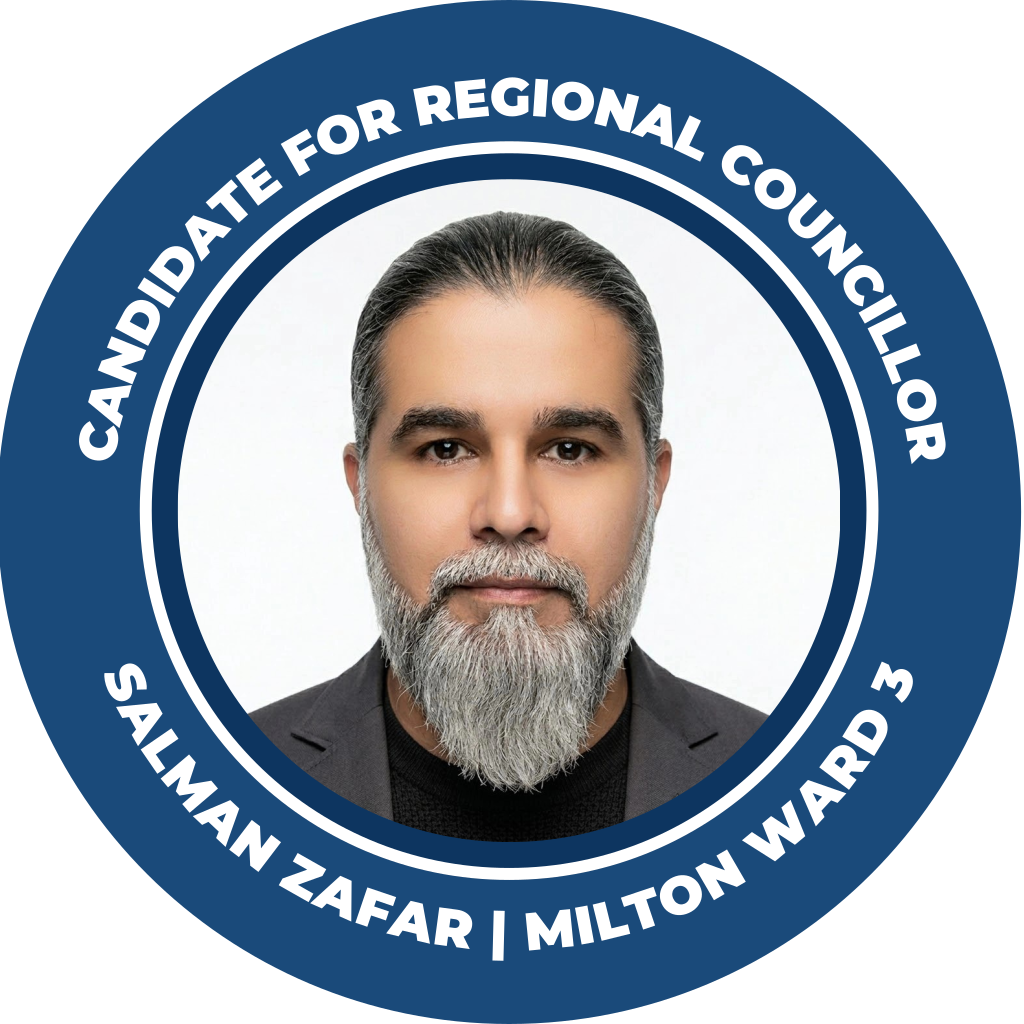
As your Regional Councillor, I will use my professional background in infrastructure asset management to ensure every tax dollar is spent transparently using an objective, auditable framework.
Financial decisions must always align with affordability and expectations of the community.
Vote wisely. Vote for leadership that respects your wallet and treats you as the #1 stakeholder in any decision they make and any public funds they spend.