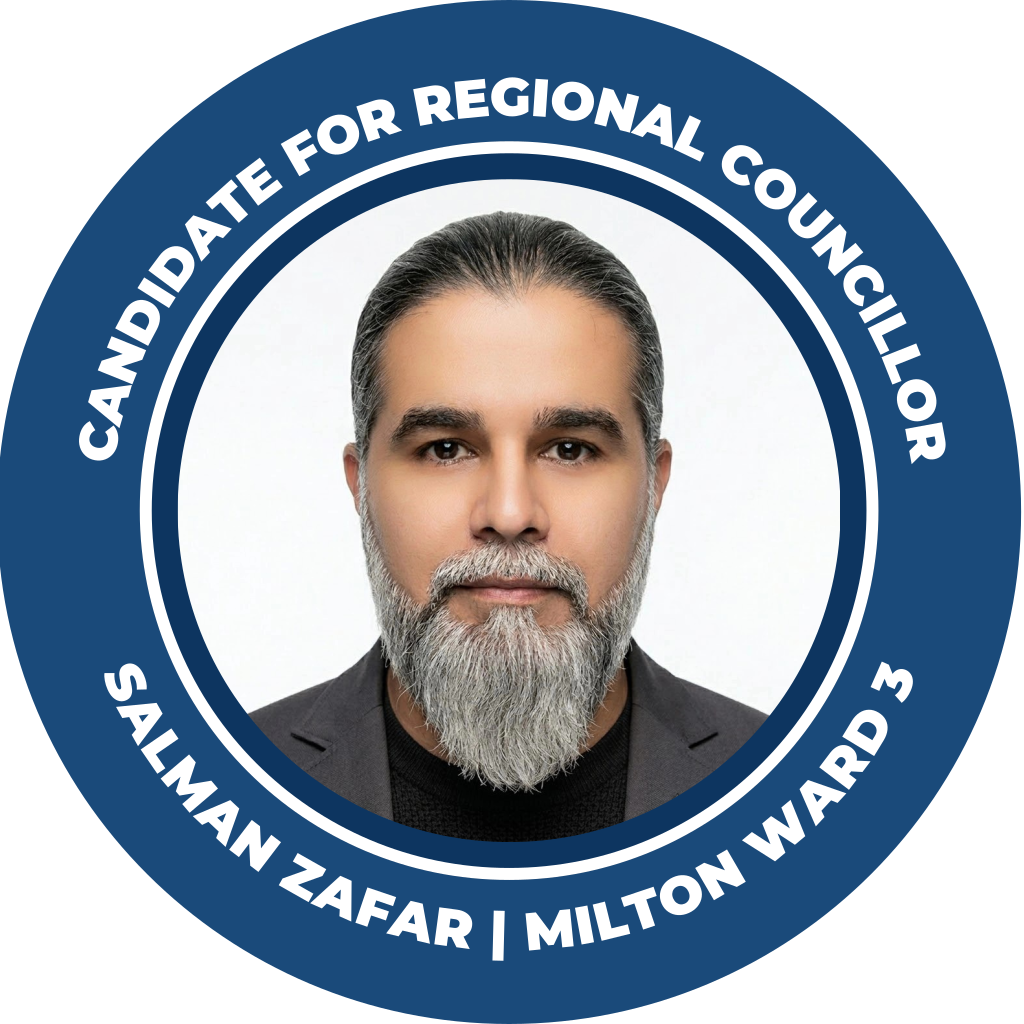
Applying philosophical and spiritual ideas to address modern municipal infrastructure challenges might seem like an unusual mix, but true stewardship requires nothing less. After spending more than a decade as a municipal practitioner in Ontario, these ideals are what inspired me to run for municipal Council. Here are some of my favourite quotes with my commentary on how they apply to the future of our town:
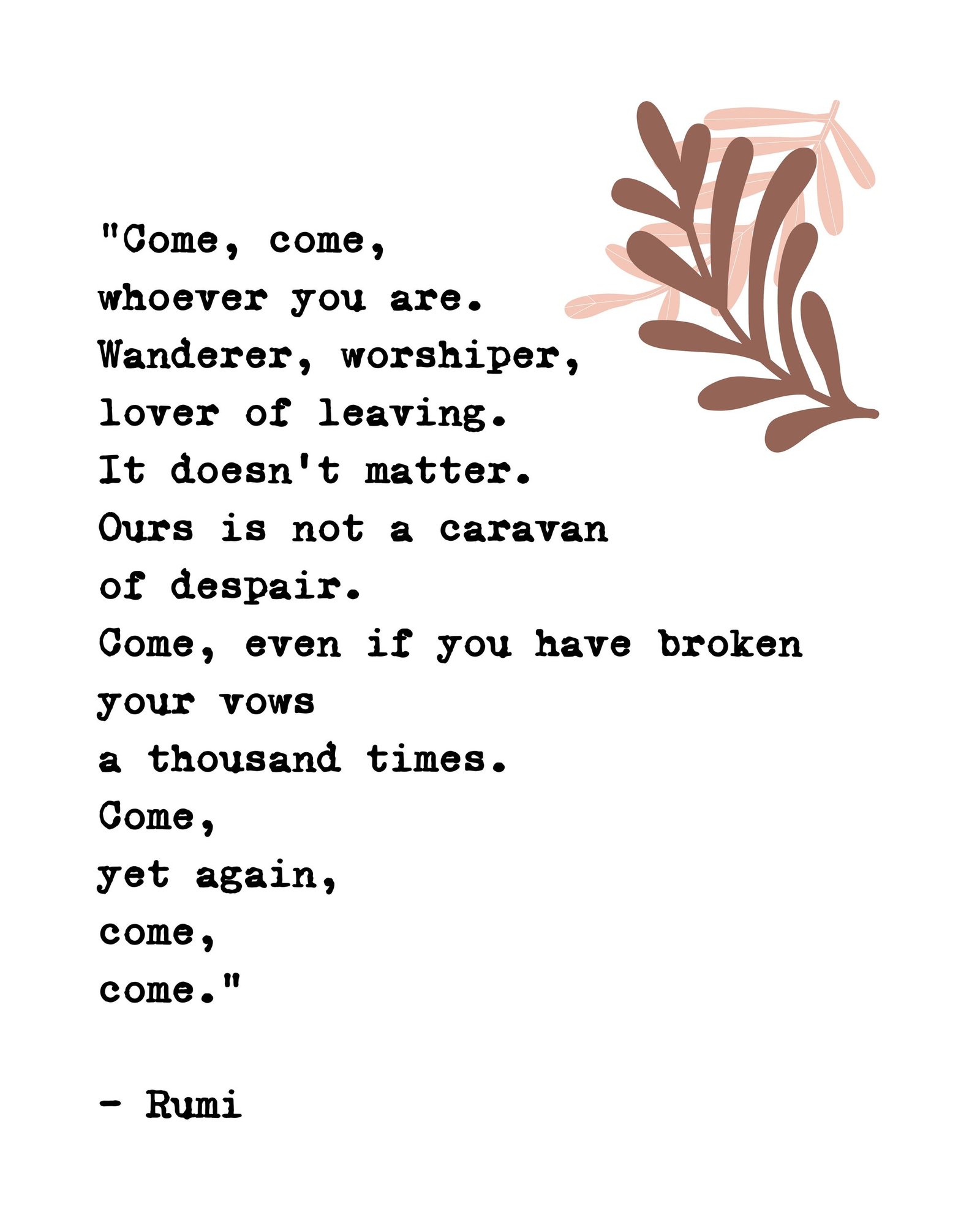
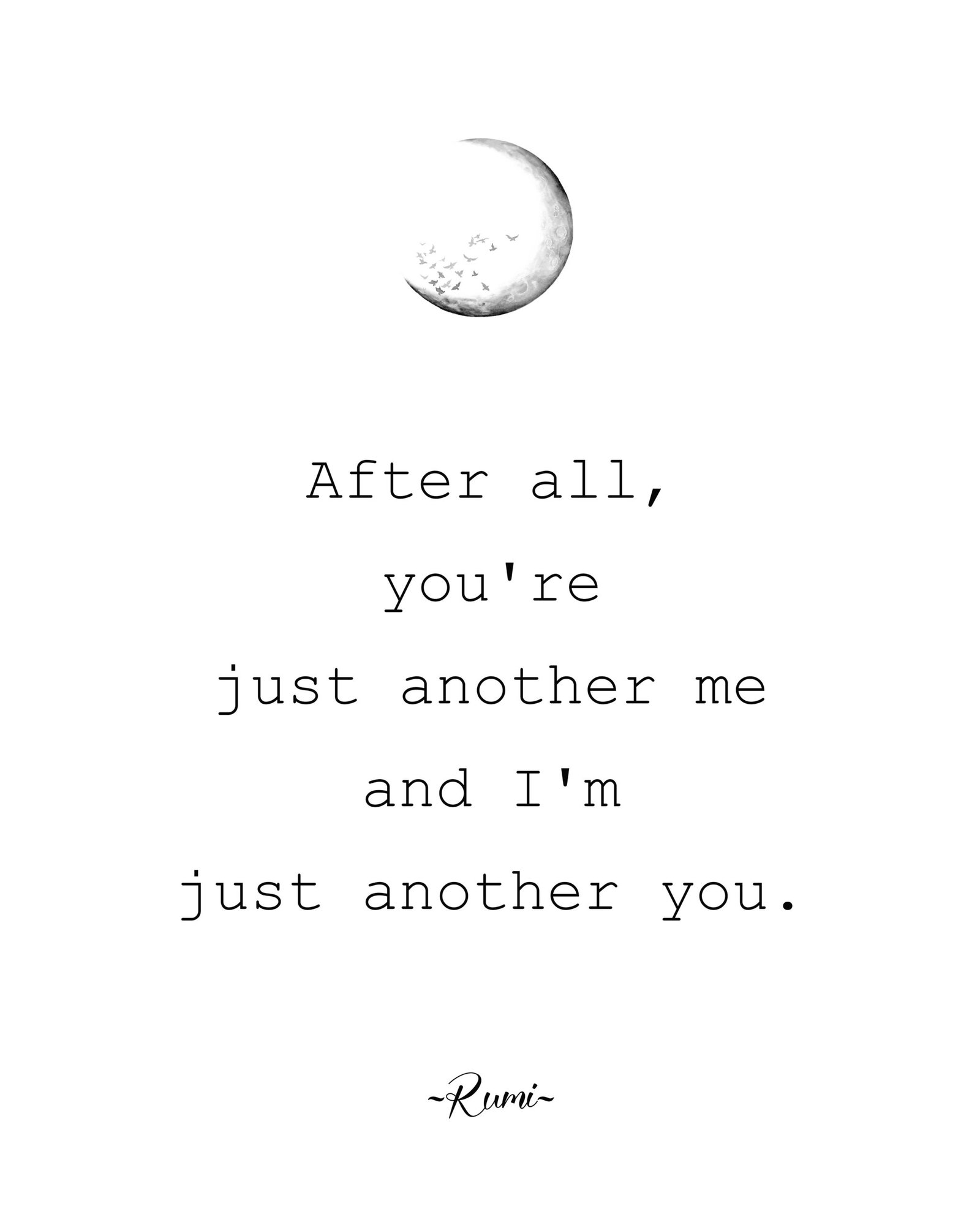
“You were born with potential. You were born with goodness and trust. You were born with ideals and dreams. You were born with greatness. You were born with wings. You are not meant for crawling, so don’t. You have wings. Learn to use them and fly.” Rumi
As one of the fastest growing municipalities in Canada, we deserve nothing less than well-planned and reliable infrastructure that improves our quality of life and boosts our local economy.
“We, humans, are supposed to be like the pupil of the eye through which God looks at His creation and bestows mercy. We are required to act as the Vicegerent (Steward) on earth.” Ibn al-Arabi
Without deliberate care, our planet and the built environment will naturally degrade. A true steward actively intervenes to counter this decay; preserving the structural integrity of our infrastructure so it reliably serves our community.
“Until wisdom and political leadership meet in one, cities will never be free of their struggles. Only when true governance is guided by philosophy can our community experience peace and behold the light of day.” Plato
True leadership isn’t about popularity; it’s about applied wisdom. Local governance requires professional oversight, transparent data, and the discipline to make tough choices for Milton’s long-term prosperity.
“The ignorant one does not see his ignorance as he basks in its darkness, nor does the knowledgeable one see his own knowledge, for he basks in its light.” Ibn al-Arabi
Operating in a silo creates a disconnect that local governments cannot afford. True accountability requires the humility to acknowledge our blind spots and actively seek proactive community consultation. I am committed to absolute transparency, ensuring that objective facts, rather than political egos, drive how we manage our infrastructure.
“The water takes the color of its cup.” Ibn al-Arabi
Pure truth is formless on its own, but it is inevitably colored by the “container” of our subjective minds, culture, and capacity. Just like water, data on municipal assets is shaped by the structural frameworks that hold it. True stewardship requires the intellectual humility to recognize these limits. By building objective, evidence-based decision models, we guarantee that Milton’s growth is guided by ground truth rather than subjective bias.
“Do you not see how, when asleep, you believe things to be stable and enduring… yet when you awake, you know they were unfounded? Why then are you confident that your waking beliefs are entirely genuine?” Al-Ghazali
In municipal planning, relying on outdated assumptions is like operating in a dream state. “The way we’ve always done it” is often just an illusion we haven’t woken up from. We must continuously challenge our baseline assumptions with new objective data to make sound decisions with a long-term perspective for Milton.
“You must direct your attention to the development of the land more than to the collection of taxes, for the tax can only be obtained by developing the land. He who demands revenue without developing the land ruins the country and destroys the people.” Ali ibn Abi Talib
Milton cannot build a sustainable tax base without first making deliberate investments in its growth. Responsible leadership means using objective, data-driven criteria to guide development based on solid economic facts rather than politically convenient assumptions.
“Public wealth is not your personal property; it is a trust placed in your hands for the benefit of the people.” Ali ibn Abi Talib
Elected officials are trustees of public funds, not owners. We must reject short-term thinking and responsibly maintain our infrastructure today to avoid massive unplanned replacement costs tomorrow—protecting Milton’s future taxpayers from an unfair financial burden.
“The station of knowledge is a station of bewilderment. Whenever the knower thinks he has arrived, a new horizon opens, making him realize his previous knowledge was but ignorance compared to what has now been revealed.” Ibn al-Arabi
Managing our community’s infrastructure requires a continuous improvement approach. As Milton expands, our transit, public spaces, and climate strategies must dynamically scale alongside it. We must reject complacency and abandon static processes for resilient lifecycle planning that will proactively outpace the pressures of rapid urbanization.
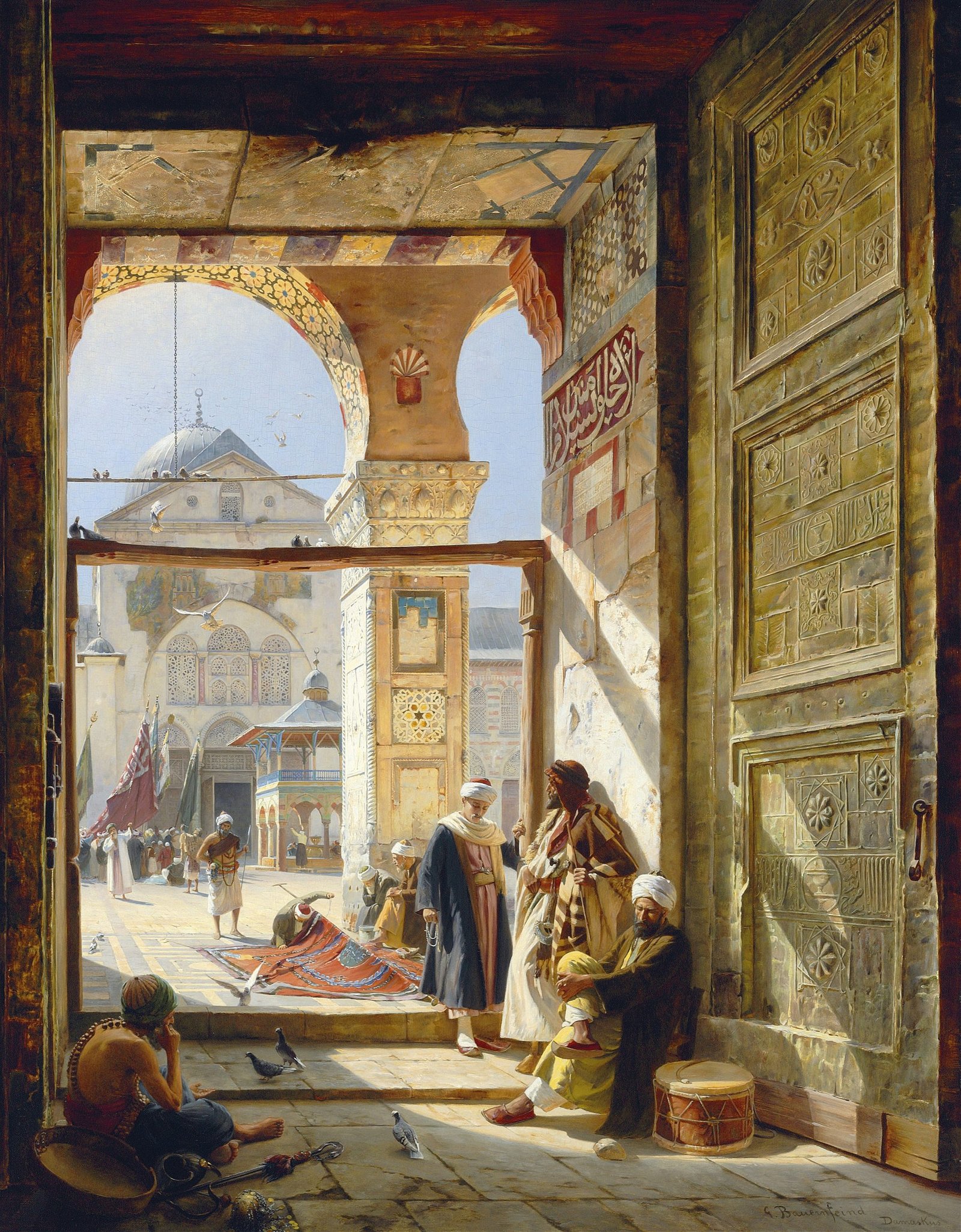
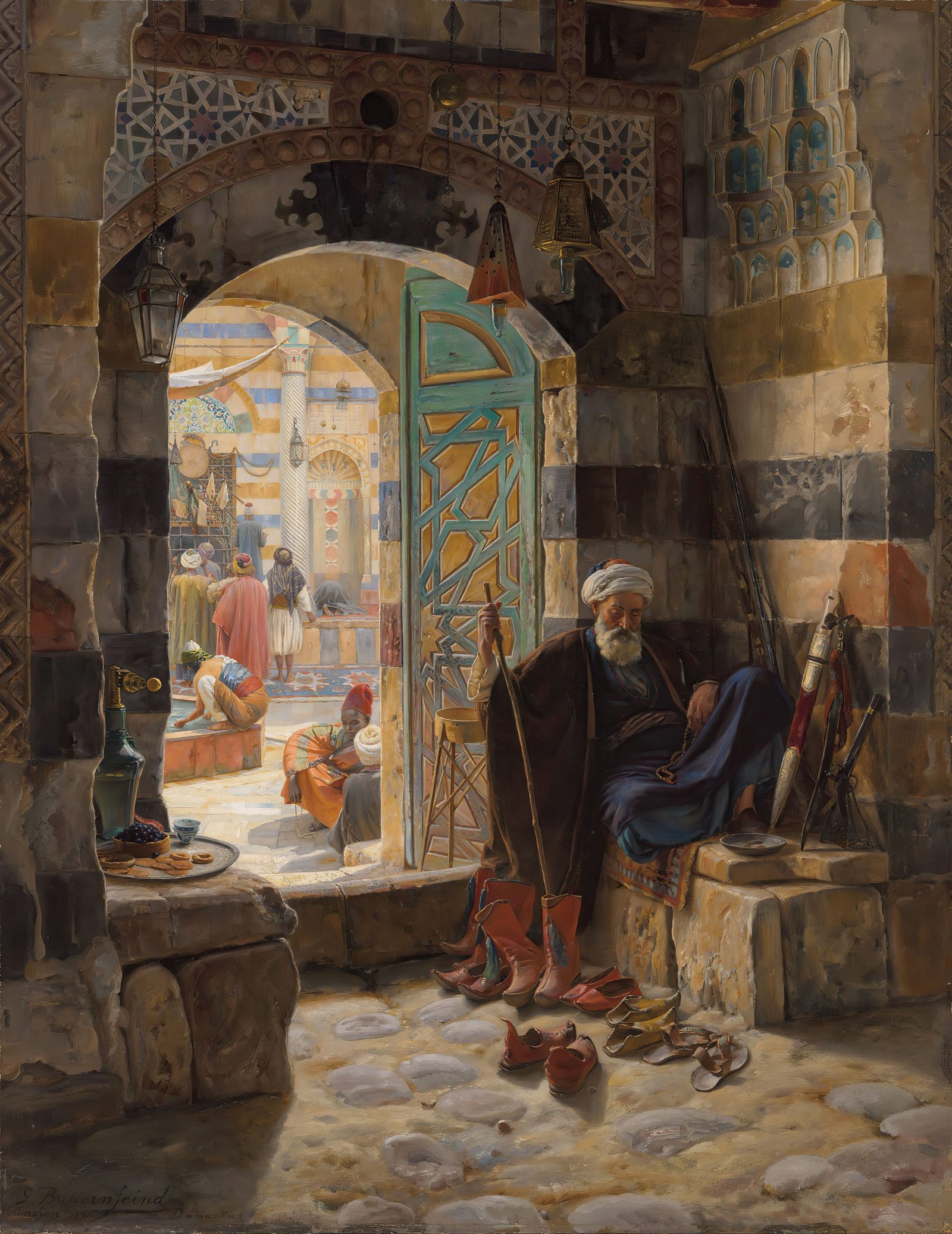
I have kept the following digital artworks in my home office and study for years, serving as my daily source of motivation, positive intent, and mental clarity. They remind me that true stewardship requires a precise balance of good intentions and concrete actions, paired with trust in the divine will and contentment with the eventual outcome.
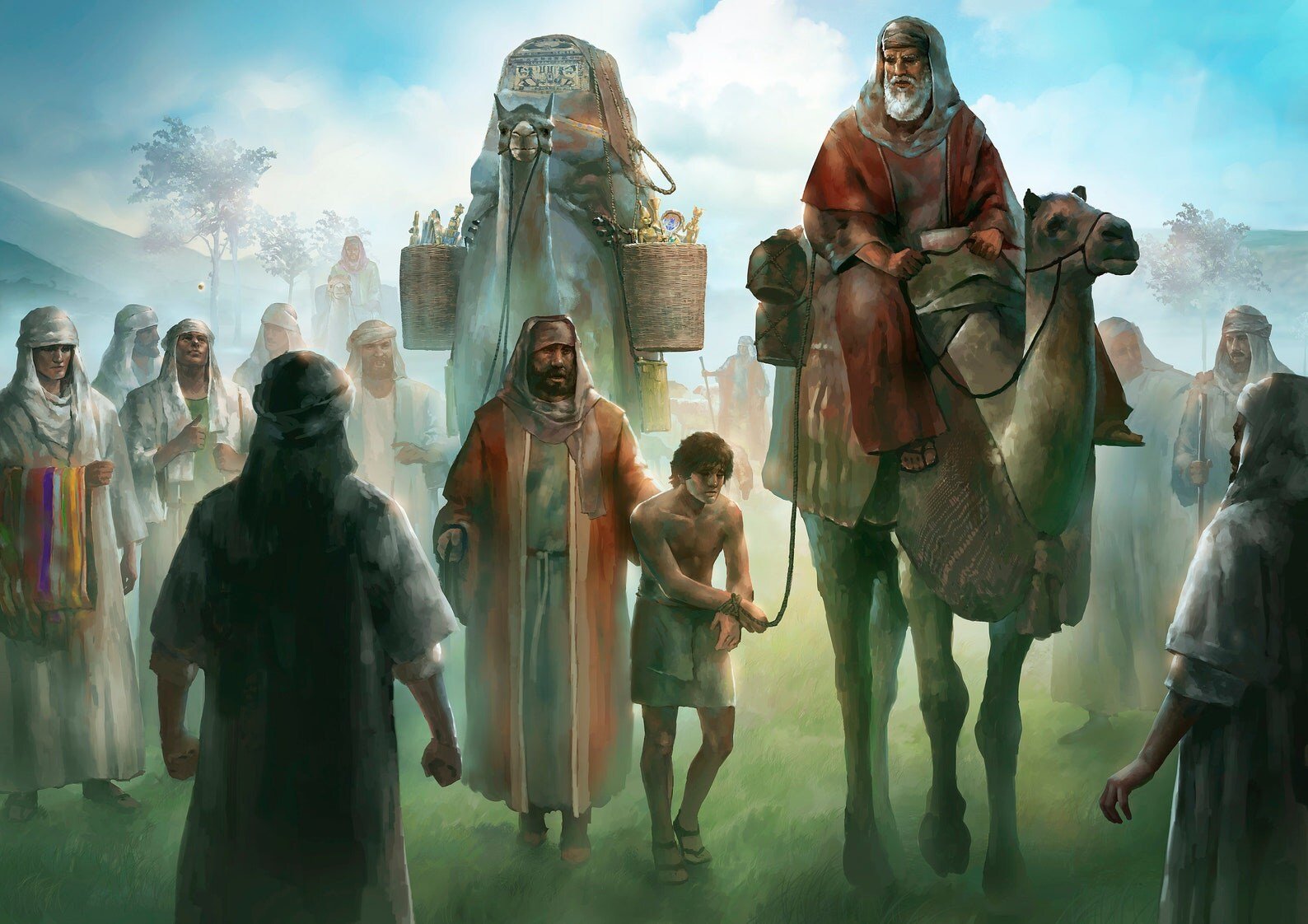
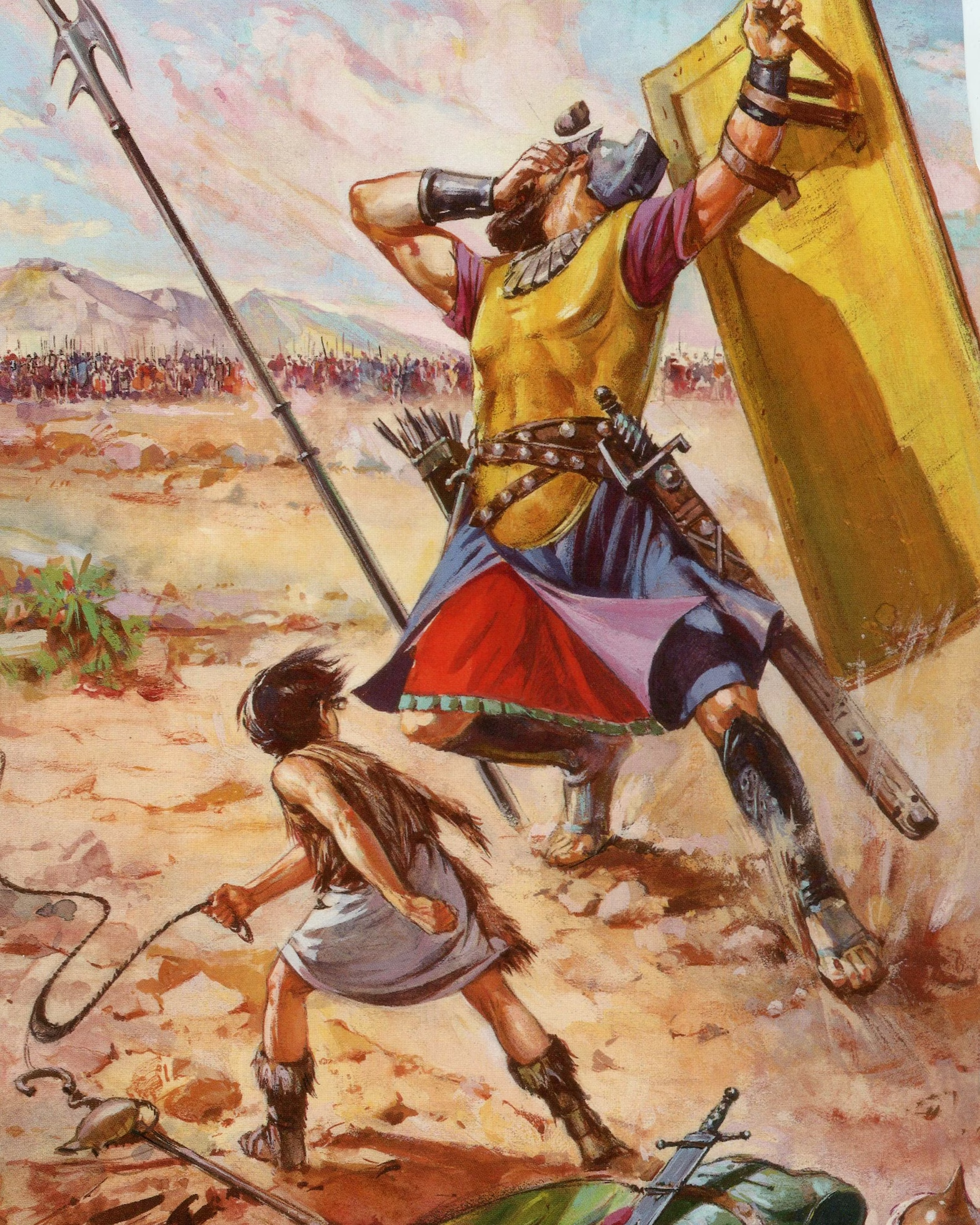
We can take profound inspiration from stories in the scriptures. We see it in Noah’s discipline and persistence—taking concrete physical steps to build the ship despite being continuously mocked by his people. We see it in Joseph choosing the hardship of prison over compromising his moral integrity. It is in David’s inner drive to step forward and face Goliath when the collective morale of his community was down and everyone else faltered. And it is in Moses’s absolute trust, surrendering the outcome to God only after leading his people to the absolute physical edge of the sea.
What unites these stories is a shared mechanism: these exemplary figures held pure intentions, took every possible concrete step within their capacity, and left the final outcome to God. This is the blueprint for true stewardship. It is the mechanism required to unlock our true potential, realize we were born with wings, and finally learn to fly.