When we think of municipal infrastructure in Milton, things like roads, water systems, transit, and community centres usually come to mind. But community housing is just as vital to our town’s resilience, public health, and local economy. It isn’t just a temporary safety net—it is a foundational asset that supports our local workforce, protects our seniors, and stabilizes families.
Locally, this critical infrastructure is managed by the Halton Community Housing Corporation (HCHC). Right now, this system is facing unprecedented strain. Our community housing waitlist has increased by 72% since 2021 to over 8,000 households, and local emergency shelters are operating at 140% capacity. To make evidence-based decisions about the future of our town, we need to look at the facts.
Here is a breakdown of HCHC’s footprint in Milton, the current systemic challenges, and the options to address them.
OUR MILTON FOOTPRINT
HCHC is a regionally owned corporation operating 2,346 affordable housing units across 41 Halton Region communities with over 4,000 tenants. Milton is home to the following HCHC communities with more than 200 units:
1) Bruce Apartments (40 Ontario St S)
An 88-unit building for older adults operating since 1979 under the provincially mandated Rent-Geared-to-Income (RGI) model, capping rent at 30% of income.
Recent and ongoing capital investments by Halton Region include:
– Complete flat roof replacement and roof anchor upgrades ($297,000)
– Balcony concrete restoration and waterproofing ($59,000)
– Make-up air system modernization for improved ventilation ($100,000)
– Modernized building access and resident safety upgrades
 Watch the community tour: https://www.youtube.com/watch?v=71muO_j2rxU
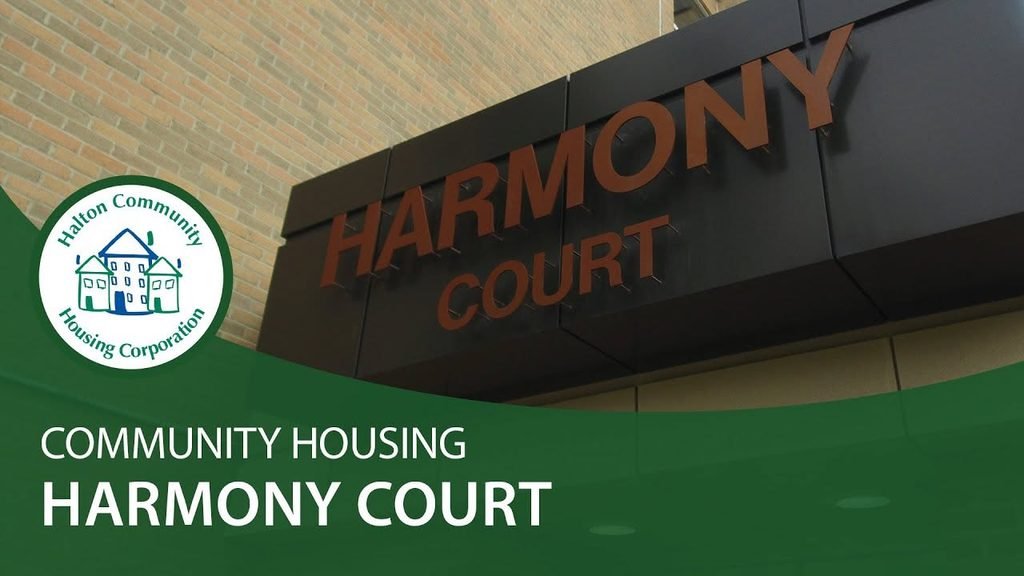
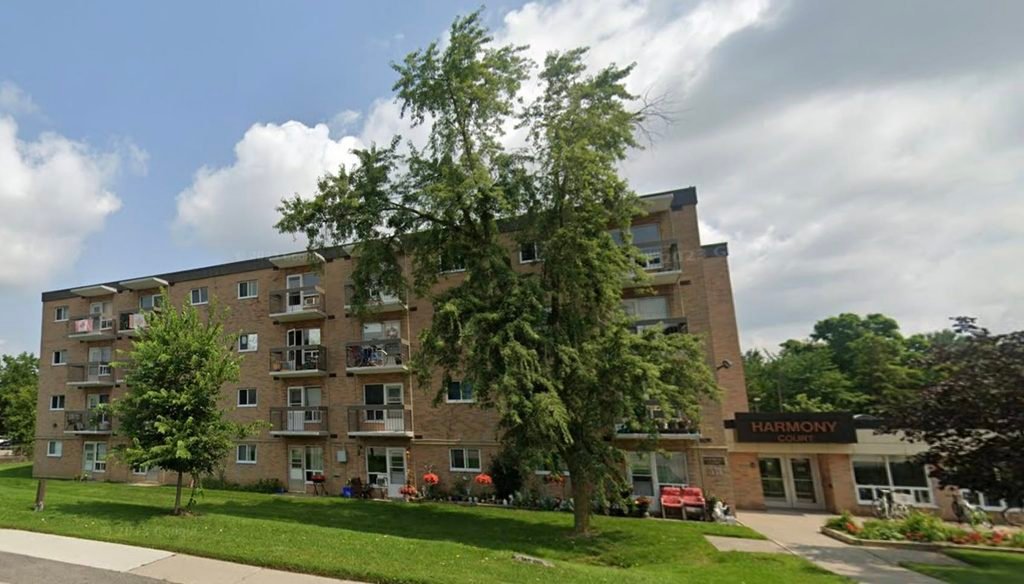
2) Harmony Court (111 Ontario St N)
A 36-unit all-ages building operating since 1970 under the provincially mandated Rent-Geared-to-Income (RGI) model, capping rent at 30% of income.
Recent and ongoing investments by Halton Region include:
– Comprehensive lobby, corridor, and individual unit renovations ($1,100,000)
– Modernized building access and resident safety upgrades
Watch the community tour: https://www.youtube.com/watch?v=0pukTE-DsbM
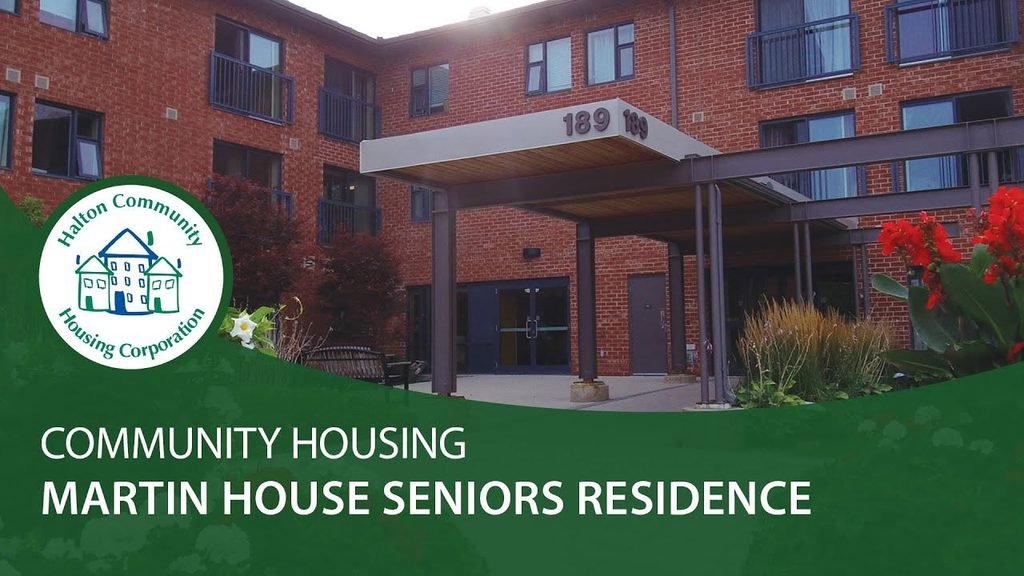
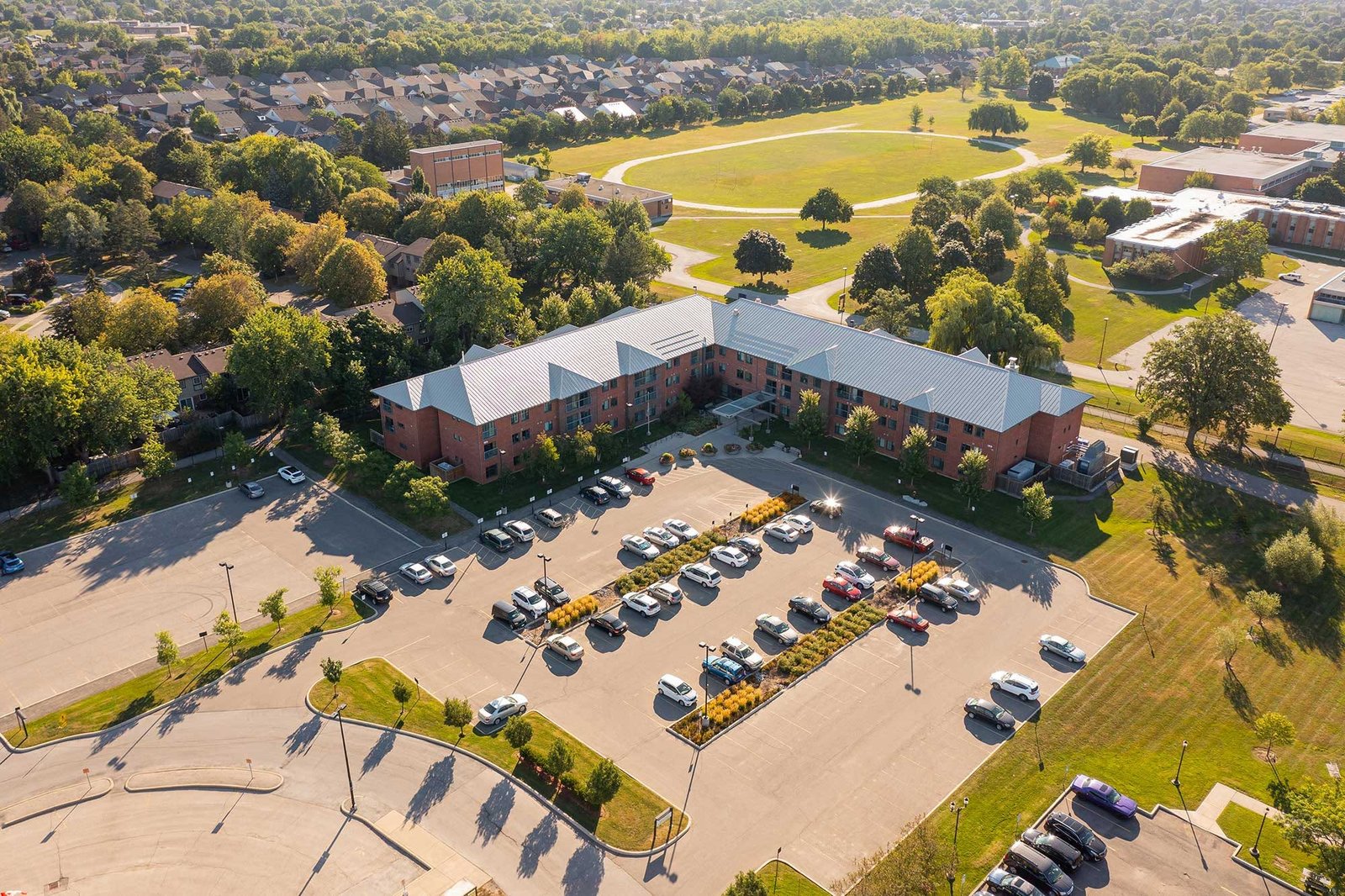
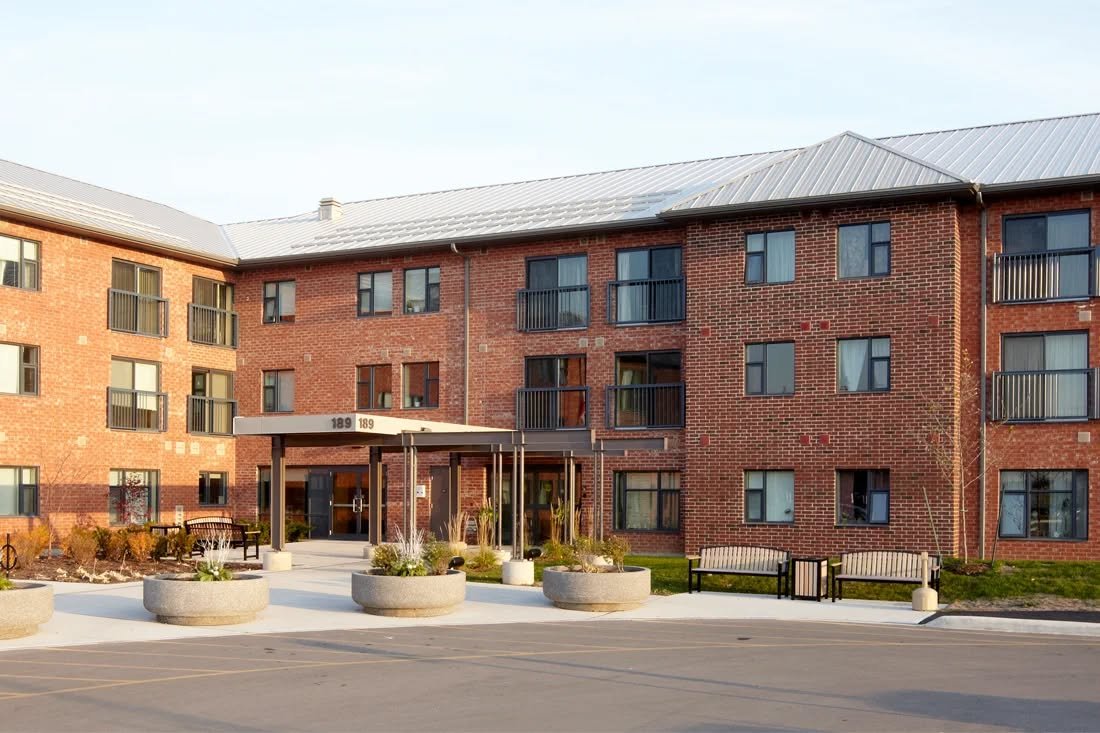
3) Martin House Seniors Residence (189 Ontario St S)
An 80-unit building for seniors operating since 2011. Rent is capped at 80% of the average market rent in Milton under the Affordable Housing Program.
Recent and ongoing investments by Halton Region include:
– Building-wide commercial exhaust and ventilation upgrades ($55,000)
– Back patio surface extensions for enhanced outdoor seating ($7,000)
– Modernized building access and resident safety upgrades
Watch the community tour: https://www.youtube.com/watch?v=0KbebQiRCBc
THE INFRASTRUCTURE CHALLENGE WE’RE FACING
Based on Halton Region’s 2025 Corporate Asset Management Plan, 53% of HCHC assets across Halton Region are currently in Good to Very Good condition. Generally, these assets are in a state of good repair and provide acceptable functionality for residents.
However, 10-year lifecycle modeling forecasts a looming challenge. To simply maintain current service levels, there is an annual capital funding shortfall of $8.7 million over the next decade. Conversely, for HCHC to achieve Council’s strategic objective of keeping 80% of assets in Good to Very Good condition, it will require an additional annual investment of $32.6 million.
The data is clear. If capital funding remains capped at current levels, 18% of HCHC assets—worth $84 million—will degrade to Very Poor condition over the next 10 years.
THE ECONOMIC REALITY OF COMMUNITY HOUSING
Public housing is frequently mischaracterized as a static taxpayer burden. The April 2026 Public Housing Dividend Report, prepared by the Canadian Centre for Economic Analysis (CANCEA), dismantles this narrative by quantifying the macroeconomic returns of investing in these government owned assets:
1) Investment in Community Housing Boosts Our Economy
Investing in existing and new public housing will generate approximately $102 billion in combined economic and social value for the GTHA by 2050.
2) Significant Return on Investment
Every dollar invested in renewing and building public housing generates $2.80 in economic and social value for the region—an almost 3-to-1 return on investment.
3) The Cost of Austerity
Reducing housing funding does not save money; it creates negative cumulative social value. The report suggests that the optimal GTHA housing investment pathway avoids $1.8 billion in downstream taxpayer-funded healthcare and justice costs by 2050—preventing 524,100 inpatient hospital days and roughly 52,230 person-years of homelessness.
OUR COLLECTIVE CALL TO ACTION
Civic responsibility requires an “all levels of government” approach to mobilize sustainable, long-term housing solutions. Halton Region’s 2025–2035 Comprehensive Housing Strategy states that our community requires 1,350 new assisted and supportive housing opportunities over the next ten years to bridge current demand.
Halton Region has led by example, making a standalone commitment to fund 450 of these units through local municipal investment alone. Moving from strategy to reality requires an intergovernmental effort to deliver the remaining 900 units:
1) Advocate for Fair-Share Funding
Engage with your local MP and MPP. Champion the data-driven need for senior levels of government to match local municipal investments with a predictable, one-third funding partnership.
2) Collaborate with Local Governments
Support the Region’s “Housing Concierge” approach by working alongside the Town of Milton to align policy interests, identify municipal land, and streamline zoning tools for assisted and supportive builds.
Safe, stable, and deeply affordable housing is the fundamental building block of a strong, inclusive Milton. Let’s look at the evidence, make choices rooted in data, and ensure that no one in our community is left behind.